




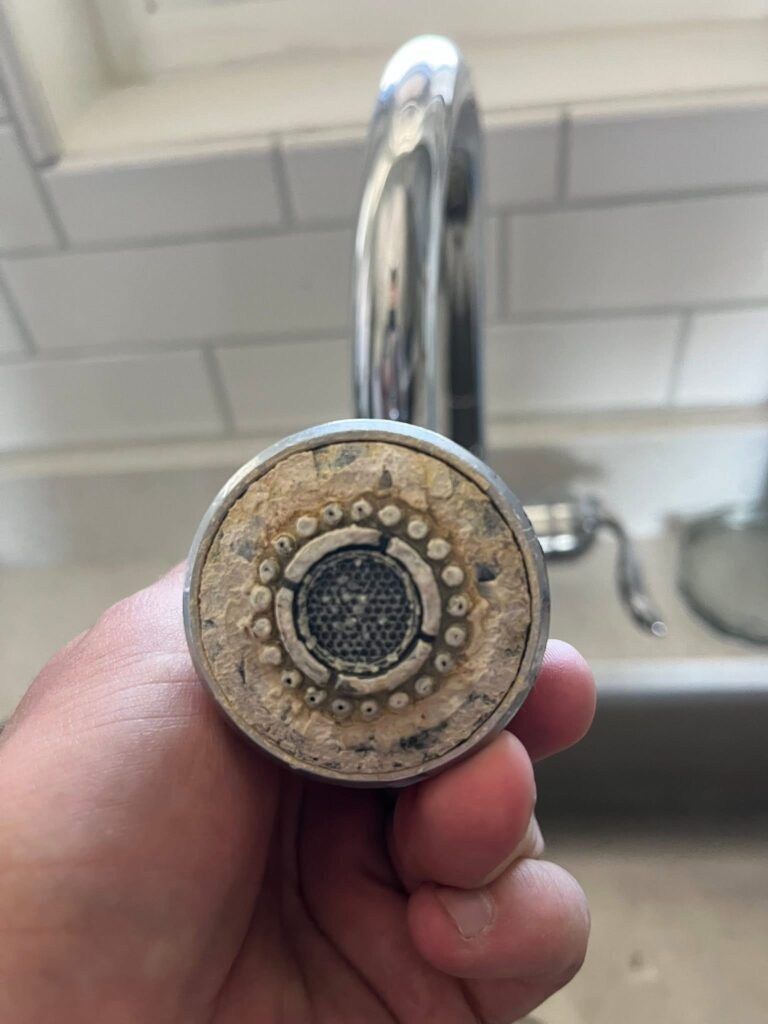
You wipe down the shower door, and a day later that cloudy film is back. The drinking glasses come out of the dishwasher spotted, and the faucet aerator has a white crust you can’t quite scrub away. If that sounds familiar, it’s a big reason so many local homeowners start looking into hard water treatment in Cedar City.
The good news is that you don’t have to keep fighting mineral buildup one fixture at a time. A whole-home water filtration and treatment setup handles the water before it ever reaches your taps, appliances, and shower.
What a Whole-Home Water Treatment System Actually Does
Point-of-Entry vs. Point-of-Use Treatment
A pitcher filter or faucet attachment is a point-of-use product. It only treats the water that passes through that one spot. A whole-home system is installed at the point of entry, where the main water line comes into the house.
That placement is what makes the difference. Every faucet, shower, toilet, and water-using appliance gets treated water, not just the glass you pour at the kitchen sink. Instead of protecting a single glass of water, it protects your entire plumbing system.
The Pieces That Can Make Up a Whole-Home Setup
There’s no one-size-fits-all system. Most setups combine a few components based on what’s in the water:
- Water softeners use ion exchange to remove the calcium and magnesium that cause hardness
- Salt-free conditioners change how minerals behave so they’re less likely to stick as scale, though they don’t remove them
- Whole-home filters catch sediment and reduce chlorine taste and odor
- Reverse osmosis systems sit under the kitchen sink to polish drinking and cooking water
The U.S. Geological Survey has a helpful overview of water hardness across the country, including how softeners reduce it. For homes dealing with heavy mineral content, water softener installation is usually the core of the setup.
Why Hard Water Is So Common in Southern Utah
Much of the water in Iron County starts out underground. As it moves slowly through soil and rock, it picks up dissolved calcium and magnesium along the way. By the time it reaches your kitchen faucet, those minerals are still riding along. Homes on private wells can see even more variation, since that water often comes straight from the ground with no treatment at all.
The minerals themselves aren’t a health hazard. The trouble starts when water heats up or evaporates. Heat pulls minerals out of the water and leaves them behind as scale, and the dry high-desert air speeds up evaporation, so spots and crusty buildup show up fast on glass, tile, and fixtures.
If you’re curious about the numbers behind your own tap, your water provider publishes an annual report, and the EPA explains how to read your water quality report. For a closer look at the damage minerals can do over time, see our breakdown of what hard water does to plumbing and appliances.
How Your Home Benefits From Treated Water
Water Heaters and Appliances That Last Longer
Your water heater takes the hardest hit from mineral-heavy water. As the tank heats up, minerals settle at the bottom as sediment and coat the heating elements. That layer acts like insulation, so the unit has to work longer to deliver the same hot water.
Over time, that extra strain can show up as popping or rumbling sounds, less hot water, and higher energy bills. Montana State University Extension’s water heater maintenance guide explains how mineral deposits cut into efficiency and capacity. Treating water before it reaches the tank means fewer sediment problems and fewer calls for water heater repair down the road. Dishwashers, washing machines, coffee makers, and ice makers benefit in much the same way.
Pipes and Fixtures That Keep Flowing Freely
Scale doesn’t just collect where you can see it. It also builds up inside pipes, valves, and showerheads, slowly narrowing the path water has to travel. Many homeowners notice weak shower pressure or sputtering faucets long before they suspect minerals.
With treated water, fixtures and aerators stay clearer, and you’re less likely to deal with gradual pressure loss throughout the house.
Less Scrubbing Around the House
Hard water and soap don’t mix well. Minerals react with soap to form the sticky film that clings to tubs, tile, and shower doors. Once the water is softened, cleaning gets easier, and you’ll likely find yourself reaching for the scrub brush and specialty cleaners less often.
Dishes and glassware come out of the dishwasher clearer, too, without that chalky haze.
Softer Skin, Hair, and Laundry
This is the benefit people often notice first. Many households find that skin feels less dry after a shower and hair is easier to manage once mineral residue isn’t left behind. Laundry tends to come out softer and brighter, since detergent can do its job without competing with minerals in the wash water.
Better-Tasting Water at Every Tap
A whole-home filter can reduce the chlorine taste and odor that some people notice in city water. For drinking and cooking, many families add reverse osmosis water treatment at the kitchen sink. Pairing the two gives you comfortable water for bathing and cleaning, plus great-tasting water for your glass and your coffee pot.
Signs Your Household Could Use Whole-Home Treatment
Hard water tends to announce itself in small, everyday ways.
If several of these sound familiar, it may be time to look at a whole-home solution:
- White, chalky crust around faucets, showerheads, and drains
- Spots and cloudy film on dishes and glassware
- Soap and shampoo that don’t lather well
- Dry, itchy skin or dull-feeling hair after showering
- Popping or rumbling sounds from the water heater
- Water pressure that seems weaker than it used to be
- Appliances that need repairs or replacement sooner than expected
Before choosing equipment, it’s smart to test your water. A simple test shows how hard it is and whether anything else, like sediment or chlorine, is worth addressing. That way, the system you install matches what’s actually coming out of your taps instead of a best guess.
Find the Right Hard Water Treatment in Cedar City
Treated water protects the things you’ve invested in, from your water heater to your fixtures, and makes daily routines a little easier for everyone in the house. It’s one of those upgrades you notice every single day, often in ways you didn’t expect.
At Iron Mountain Plumbing Heating Air, we’re locally owned and know the water our Iron County neighbors live with every day. We’ll help you understand what’s in your water and walk you through good, better, and best options with upfront pricing, so you can choose the setup that fits your home and budget.
When you’re ready, schedule a water consultation with our team, and let’s get your home’s water working for you!