
Check Us Out On Our Social Media

Iron Plumbing truck after tankless water heater installation Cedar City

Tankless Water Heaters and Holiday Hot Water Demands: What to Know Before Guests Arrive

The house is full, the coffee is brewing, and someone just stepped out of the second shower of the morning. By the time the third guest turns on the water, it’s lukewarm at best. For many households, holiday hosting is when the limits of a traditional water heater become hard to ignore, and proper tankless water heater installation in Cedar City is one way homeowners keep up when the guest rooms fill.

Before switching to an on-demand system, it helps to understand why hot water use spikes during the holidays, how tankless units handle heavy demand, and what goes into sizing one for a busy home.
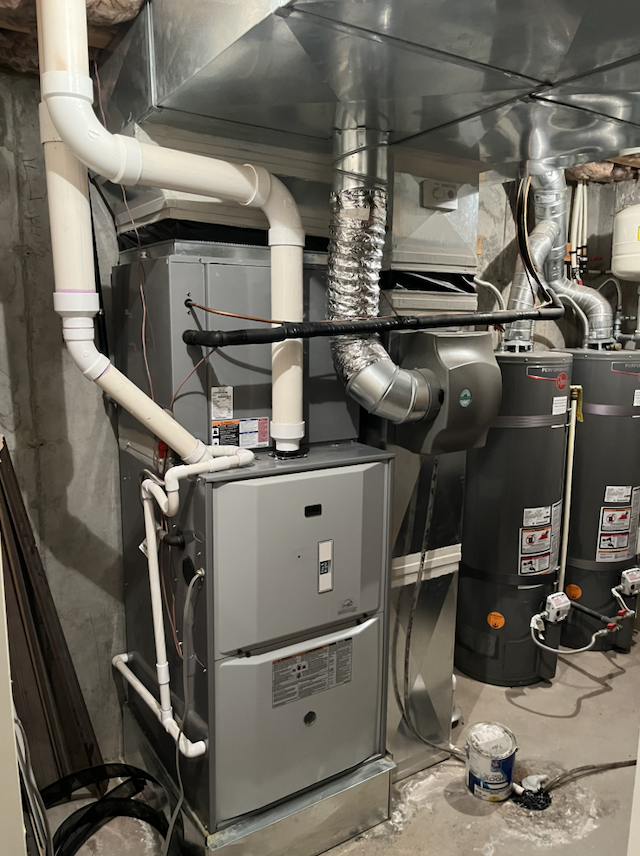
unit after tankless water heater installation Cedar City

Why the Holidays Put Extra Strain on Your Hot Water Supply

A traditional water heater stores a set amount of hot water in its tank. Once that supply runs low, the tank needs time to refill and reheat before it can deliver hot water again. On a normal day, that recovery time rarely matters. During the holidays, it often does.

More People Means More Back-to-Back Showers

Every extra guest adds another shower to the morning routine, and those showers tend to happen in the same short window before breakfast or a family outing. A tank that comfortably serves a household of three or four can run short when that number doubles.

Kitchen and Laundry Loads Stack Up

Showers aren’t the only draw on the system. Holiday hosting brings a steady stream of hot water use throughout the day, including:

  • Dishwasher cycles after large meals
  • Handwashing roasting pans, pots, and serving dishes
  • Extra laundry for guest towels and bedding
  • Warm baths for kids coming in from the cold

When these tasks overlap with showers, the hot water supply gets split across several fixtures at once.

Colder Incoming Water Makes Every Gallon Harder to Heat

Winter adds another challenge. Water entering the home is colder this time of year, so a water heater must raise its temperature higher to reach a comfortable level. U.S. Department of Energy sizing guidelines assume incoming water of about 50°F when the actual temperature is unknown, while most household uses call for water near 120°F.

That 70-degree jump takes more energy and more time. If lukewarm showers, rumbling sounds, or slow recovery show up during busy weeks, the tank may be overdue for water heater repair or replacement.

How a Tankless Water Heater Handles Heavy Demand

Heating Water as It Flows Instead of Storing It

A tankless water heater skips the storage tank entirely. When a hot water tap opens, cold water flows through the unit, and a gas burner or electric element heats it on the spot. Because there’s no reserve to empty, there’s no waiting for a tank to refill between showers.

Also called demand-type water heaters, these units avoid the standby energy losses associated with keeping a full tank hot around the clock. That’s a big part of why they often cost less to run.
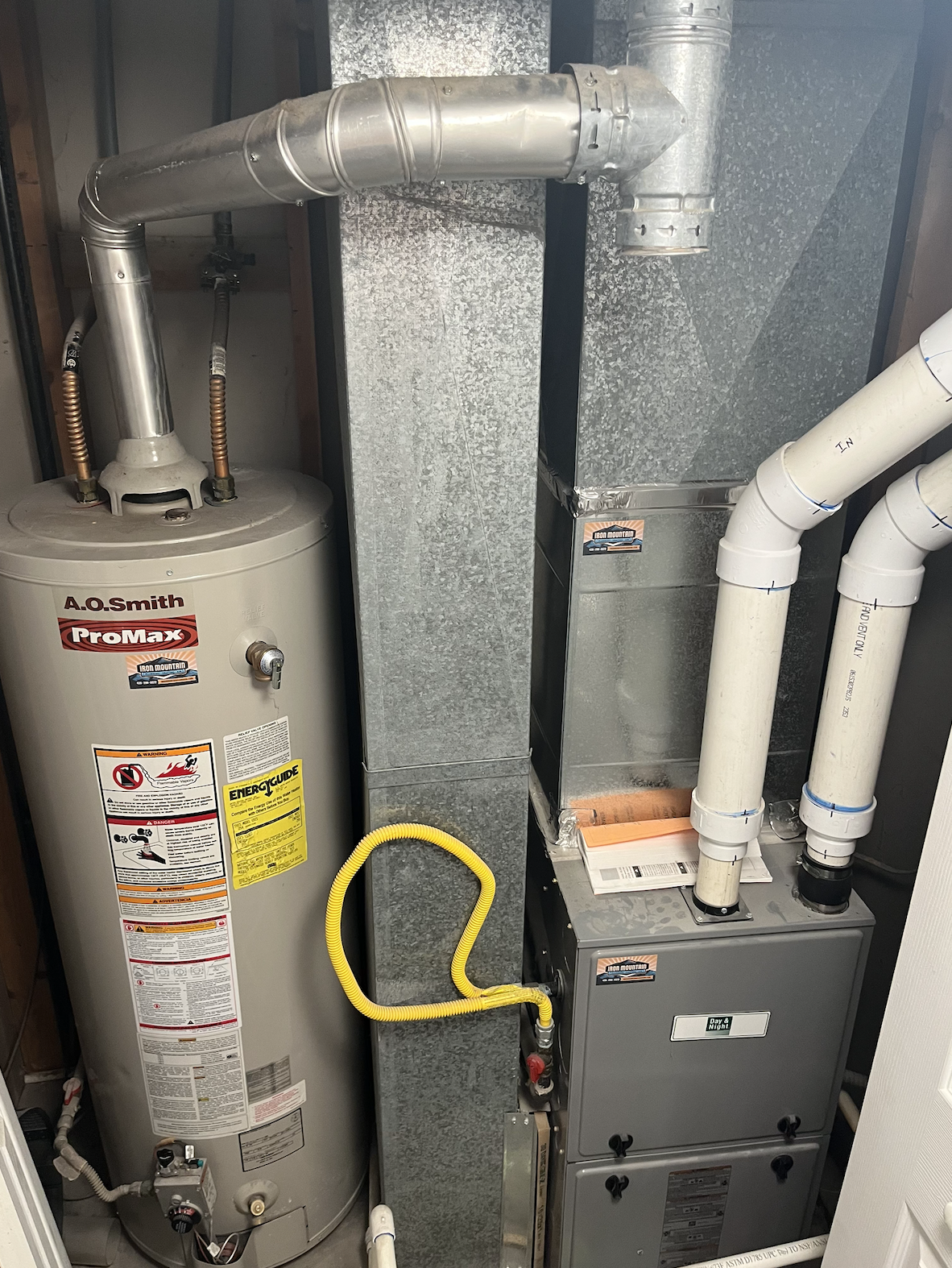
inside water heater after tankless water heater installation Cedar City

Flow Rate Is the Real Limit

A tankless unit won’t run out of hot water, but it can only heat so much at one time. Most models deliver about 2 to 5 gallons of hot water per minute, and gas-fired units generally produce higher flow rates than electric units. When several fixtures run at once and demand exceeds the unit’s capacity, the water temperature can dip.

Larger households sometimes solve this by connecting two units in parallel or adding a separate unit for a specific bathroom or appliance. Efficiency gains also depend on how much hot water a home uses. Homes using 41 gallons or less per day can see tankless units perform 24% to 34% more efficiently than storage tanks, while homes using around 86 gallons per day see a smaller gain of about 8% to 14%. Busy households still benefit, but proper sizing matters more.

Sizing a Tankless System for a Full House

Choosing the right unit comes down to two numbers: how many gallons per minute the home needs at its busiest moment and how many degrees the unit must heat the water.

Count the Fixtures That Run at the Same Time

Start by picturing the busiest point of a holiday morning. Maybe two showers are running while the dishwasher works through last night’s dishes. Adding up the flow rate of each fixture shows how much hot water the unit needs to supply at once.

Showerheads with the WaterSense label use no more than 2.0 gallons per minute, while many standard showerheads use up to 2.5 gallons per minute. Two showers and a dishwasher running together can add up quickly.

Plan for Winter Temperatures, Not Summer

Tankless units are rated by how much they can raise water temperature at a given flow rate. A unit that easily handles two showers in July may struggle in December, when incoming water is much colder. Sizing for the coldest months helps the system keep up during the season when demand tends to peak.

Gas or Electric?

Both fuel types are available, and each comes with trade-offs. Gas units typically support higher flow rates, which makes them a common fit for larger homes, and ENERGY STAR® certified gas tankless models meet stricter efficiency requirements. Electric units are compact and don’t need venting, but they can require significant electrical capacity.

Switching from a tank often involves upgrades to gas lines, venting, or the electrical panel. An in-home evaluation is an important part of comparing tank and tankless water heaters before making a decision.

Protecting a Tankless Unit From Iron County Hard Water

Water across Iron County tends to be hard, meaning it contains high levels of calcium and other minerals. Over time, those minerals leave scale on the heat exchanger inside a tankless unit. Scale acts as insulation, forcing the unit to work harder to heat the water and gradually reducing the flow.

The effects of hard water on plumbing and appliances reach well beyond the water heater, too, showing up on faucets, showerheads, and dishwashers.

Annual flushing removes mineral buildup and keeps a tankless system running efficiently. With proper care, tankless water heaters can last 15 to 20 years, nearly double the lifespan of many tank models. For homes with especially hard water, installing a water softener ahead of the heater can reduce scale before it ever reaches the unit.

Scheduling a flush in the fall, before holiday guests arrive, helps the system start the busiest season in good shape.
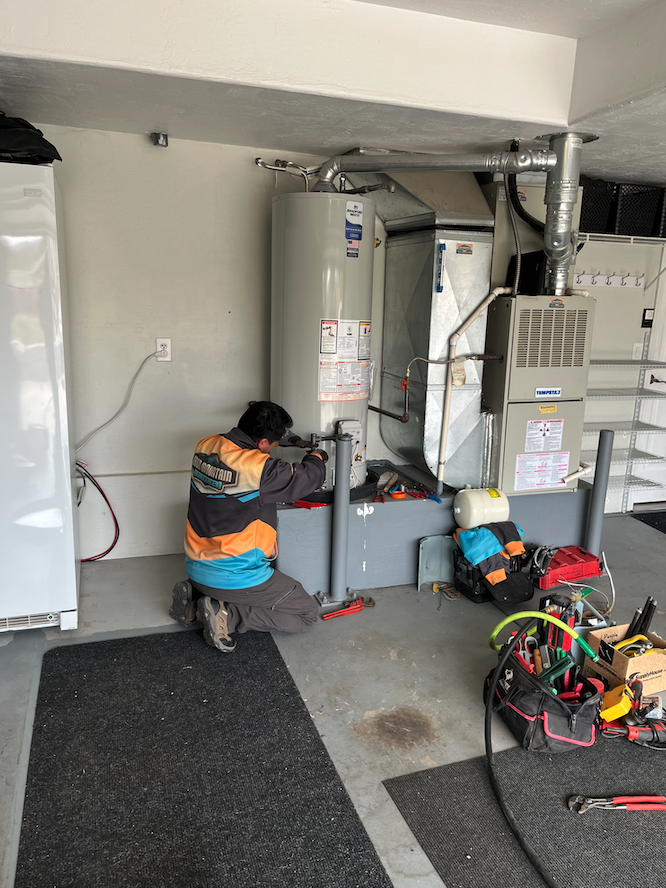
professional doing tankless water heater installation Cedar City

Planning Tankless Water Heater Installation in Cedar City Before the Next Holiday Rush

Holiday hosting is easier when hot water isn’t something to ration. A properly sized tankless system can handle back-to-back showers, post-dinner cleanup, and cold winter water, especially with regular maintenance to keep hard water scale in check.

At Iron Mountain Plumbing, our licensed plumbers evaluate your home’s plumbing, gas lines, and electrical setup to recommend a tankless system that fits your household’s actual hot water use. We provide upfront pricing and back our work with a one-year warranty on parts and installation.

Contact our team to schedule an evaluation and get your home ready for the next houseful of guests!

Iron Mountain Plumbing and Air office for water heater installation Cedar City

Tankless Water Heater vs. Traditional Water Heater: What’s Best for Your Home?

Maybe your water heater is getting up there in age. Maybe you’ve noticed your hot water doesn’t last through everyone’s morning showers anymore. Or perhaps you’ve been hearing more friends and neighbors talk about tankless water heaters and wondering if they’re really worth the investment. 

If you’re replacing a water heater, it’s easy to focus on finding something that will get the hot water flowing again as quickly as possible. But taking a little time to understand your options can pay off for years to come. 

Today’s homeowners have more choices than ever. Traditional tank water heaters remain a reliable and popular option, while tankless systems offer benefits like improved efficiency and continuous hot water. 

The challenge of water heater installation in Cedar City is figuring out which solution makes the most sense for your home, your family, and your budget.

tank water heater inside a house after water heater installation Cedar City

Traditional Water Heaters 

Traditional water heaters are what most homeowners are familiar with. These systems store and heat a set amount of water in a tank, keeping it ready for use whenever you need it. 

Tank sizes typically range from 30 to 80 gallons, depending on the size of the household and anticipated hot water demand. 

Benefits of Traditional Water Heaters 

One of the biggest advantages of a traditional water heater is its lower upfront cost. In many cases, replacing an existing tank water heater with a similar model is a relatively straightforward process, which can help keep installation costs down. 

Traditional systems are also familiar and dependable. They’ve been used in homes for decades, and most homeowners understand how they work and what to expect from them. 

Other benefits include: 

  • Lower initial investment 
  • Simple installation and replacement 
  • Widely available parts and service 

Potential Drawbacks 

The main limitation of a traditional water heater is that it can only provide as much hot water as the tank can hold. If multiple family members shower back-to-back or several appliances are running at once, the tank may be depleted before it has time to reheat. 

Traditional water heaters also use energy even when you’re not actively using hot water. Because the system constantly works to keep the stored water hot, some energy is lost throughout the day. 

Additionally, storage tanks require more space than tankless units, which may be a consideration in smaller homes. 

Tankless Water Heaters 

Tankless water heaters operate differently. Rather than storing hot water in a tank, they heat water on demand as it flows through the system. 

When you turn on a hot water faucet, the unit activates and heats water almost instantly. Once the faucet is turned off, the system stops heating. 

Benefits of Tankless Water Heaters 

One of the biggest reasons homeowners choose tankless systems is the ability to enjoy a virtually endless supply of hot water. Because water is heated as needed, there’s no tank to run empty. 

For larger families or households with high hot water demand, this can be a significant advantage. 

Tankless systems are also known for their energy efficiency. Since they only operate when hot water is needed, they eliminate the standby energy losses associated with traditional storage tanks. 

Additional benefits include: 

  • Continuous hot water supply 
  • Improved energy efficiency 
  • Compact, space-saving design 
  • Longer average lifespan 
  • Reduced risk of tank-related leaks 

Potential Drawbacks 

While tankless systems offer many benefits, they typically require a larger upfront investment. Installation costs can be higher, especially if upgrades to gas lines, venting, or electrical systems are necessary. 

Tankless systems also have flow-rate limits. If several fixtures are using hot water at the same time, the unit may struggle to keep up unless it is properly sized for the home’s needs. 

tank water heater inside a home after water heater installation Cedar City

Comparing Tankless and Traditional Water Heaters 

Upfront Cost 

Traditional water heaters are usually the more budget-friendly option upfront. The units themselves tend to cost less, and installation is often simpler and less expensive. 

Tankless water heaters typically require a larger initial investment. However, many homeowners find the higher upfront cost worthwhile because of the potential energy savings and longer lifespan. 

Energy Efficiency 

Traditional water heaters keep a tank of water heated and ready to go at all times, even when nobody is using hot water. 

Tankless systems only heat water when you need it. Because they’re not constantly reheating stored water, they can be more energy efficient in many homes. 

If lowering your energy use is a priority, a tankless water heater may have an advantage. 

Hot Water Availability 

If you’ve ever had a shower suddenly turn cold because someone started the dishwasher, you’ve experienced one of the limitations of a traditional tank water heater. 

Tankless systems can provide continuous hot water on demand, making them appealing for larger households or homes with higher usage patterns. 

Lifespan and Maintenance 

Traditional water heaters typically last between 8 and 12 years, depending on maintenance, water quality, and usage. 

Tankless water heaters often last significantly longer when properly maintained. 

How Southern Utah’s Hard Water Can Affect Your Water Heater 

Many homeowners in Cedar City, St. George, and surrounding communities deal with mineral-rich water that contains elevated levels of calcium and magnesium. While these minerals aren’t harmful to your health, they can take a toll on your plumbing system. 

Traditional Water Heater Considerations 

In traditional water heaters, hard water minerals can settle at the bottom of the tank and form sediment buildup. 

Over time, this layer of sediment can: 

  • Reduce heating efficiency 
  • Increase energy costs 
  • Cause unusual noises 
  • Shorten the lifespan of the unit 

Regular flushing can help remove some of this buildup and improve performance. 

Tankless Water Heater Considerations 

Tankless systems are not immune to hard water problems. Minerals can accumulate on internal components and heat exchangers. 

Without periodic descaling and maintenance, mineral buildup can lead to costly repairs and shorten the life of the system. 

How to Protect Either System 

Whether you choose a traditional or tankless water heater, addressing hard water is one of the best ways to protect your investment. 

Many Southern Utah homeowners benefit from: 

  • Routine water heater maintenance 
  • Water softeners 
  • Whole-home water treatment systems

Iron Mountain professionals doing water heater installation Cedar City

Schedule Your Appointment for Water Heater Installation in Cedar City Today! 

At Iron Mountain Plumbing Heating Air, we proudly provide same-day plumbing service throughout Cedar City, St. George, and surrounding Southern Utah communities, helping homeowners choose solutions that fit their needs and budget. 

Whether you’re interested in a traditional water heater, a tankless upgrade, or ways to protect your system from hard water damage, we’ll walk you through your options and provide honest recommendations. 

Contact Iron Mountain Plumbing Heating Air today to schedule an appointment and find the right water heater solution for your home!

Water Heater Longevity in Utah

Water heaters in Cedar City and throughout Iron County often wear out faster than homeowners expect. Hard water, mineral buildup, and sediment are common in Southern Utah, and these conditions can shorten the life of even a high quality unit. If you want reliable hot water and fewer breakdowns, proper maintenance and professional water heater service from Iron Mountain Plumbing, Heating, and Air can help extend the lifespan of your system and keep your home running efficiently.

Why Water Heater Longevity in Utah Is Different From Other States

Utah has some of the hardest water in the country, and Cedar City is no exception. Groundwater in this region naturally contains high levels of calcium, magnesium, and other minerals that collect inside plumbing systems over time. While the water is safe to use, the mineral content creates extra wear on water heaters.

Every time water is heated, minerals separate from the water and settle at the bottom of the tank. This buildup forms a layer of sediment that makes the heater work harder to warm the water. Over time, the extra strain can reduce efficiency, increase energy costs, and shorten the life of the unit.

Iron Mountain Plumbing, Heating, and Air works with homeowners across Iron County who want to get the most life possible from their water heater despite local water conditions.

Average Lifespan of Water Heaters in Cedar City Homes

The lifespan of a water heater depends on the type of system, the quality of installation, and how well the unit is maintained. In areas with softer water, a tank style water heater may last ten to twelve years. In Cedar City, mineral buildup can shorten that timeline if the system is not serviced regularly.

Typical lifespan estimates include:

  • Tank water heater without maintenance: 6 to 8 years
  • Tank water heater with regular flushing: 8 to 12 years
  • Tankless water heater with maintenance: 15 to 20 years
  • Tankless without maintenance: often reduced lifespan

These numbers can vary depending on how hard the water is, how often the heater is used, and whether the system is flushed and inspected as recommended.

How Hard Water Damages Water Heaters Over Time

Hard water is the number one reason water heaters fail early in Southern Utah. When minerals collect inside the tank, they create a thick layer of sediment that sits on the bottom of the heater. This layer acts as insulation between the burner and the water.

Because of this, the heater must run longer to reach the same temperature. The longer run time increases wear on the tank, heating elements, and internal components.

Common problems caused by mineral buildup include:

  • Popping or rumbling sounds from the tank
  • Reduced hot water supply
  • Higher gas or electric bills
  • Overheating of the tank bottom
  • Cracks or leaks in older units
  • Burned out heating elements

Many homeowners think these symptoms mean the heater is simply old, but in many cases the real cause is untreated hard water.

Sediment Buildup and Why Flushing the Tank Matters

Flushing the water heater is one of the most important maintenance steps for homes in Cedar City. During a flush, water is drained from the tank to remove sediment that has settled inside. Without this process, the buildup keeps growing year after year.

Regular flushing helps:

  • Improve heating efficiency
  • Reduce noise from the tank
  • Extend the life of the unit
  • Lower energy usage
  • Prevent overheating damage
  • Keep hot water supply consistent

In areas with hard water, flushing may need to be done more often than in other parts of the country. Iron Mountain Plumbing, Heating, and Air recommends routine service to help protect water heaters from the effects of mineral heavy water.

Tank vs Tankless Water Heater Longevity in Iron County

Both tank and tankless water heaters can work well in Cedar City, but each type responds differently to hard water conditions. Tank heaters are more affected by sediment buildup because minerals settle at the bottom of the tank. Tankless systems do not store water, but they can still develop scale inside the heat exchanger.

Tank heaters

  • Lower upfront cost
  • More affected by sediment
  • Require flushing to last longer
  • Shorter average lifespan in hard water areas

Tankless heaters

  • Higher upfront cost
  • Longer lifespan with maintenance
  • Require periodic descaling
  • Better efficiency over time

The right choice depends on the home, water conditions, and long term goals. Proper installation and maintenance are more important than the type alone.

Signs Your Water Heater May Be Wearing Out Early

Water heaters rarely fail without warning. Most units show signs that something is wrong long before the tank leaks or the hot water stops working.

Watch for these symptoms:

  • Water not getting as hot as before
  • Running out of hot water quickly
  • Rust colored water from hot side
  • Strange noises during heating
  • Water around the base of the tank
  • Frequent pilot or element issues
  • Higher utility bills without explanation

If these problems appear, the heater may need service, flushing, repair, or replacement depending on the condition of the unit.

How Water Filtration and Softening Can Extend Heater Life

One of the best ways to increase water heater longevity in Utah is to reduce the amount of minerals entering the system. A water softener or filtration system removes many of the minerals that cause scale and sediment.

Benefits of water treatment include:

  • Less buildup inside the tank
  • Better heating efficiency
  • Longer lifespan for heating elements
  • Fewer repairs
  • Cleaner fixtures and pipes
  • Improved water quality throughout the home

Homes with filtration or softening systems often see water heaters last significantly longer than homes without them.

Professional Maintenance Helps Prevent Costly Repairs

Water heaters work every day, so small problems can turn into expensive failures if they are not caught early. Routine service allows a technician to check for sediment, inspect components, test safety controls, and make adjustments before damage occurs.

Regular maintenance may include:

  • Tank flushing
  • Element inspection
  • Anode rod check
  • Pressure valve testing
  • Temperature adjustment
  • Leak inspection
  • Scale removal for tankless units

Iron Mountain Plumbing, Heating, and Air provides service designed for Cedar City water conditions so homeowners can avoid surprise breakdowns and get the most life possible from their equipment.

Why Local Experience Matters for Water Heater Service in Cedar City

Water heater performance in Utah depends heavily on local water quality, elevation, and usage patterns. Systems that work well in other states may require different maintenance schedules in Iron County. That is why local experience matters when diagnosing heater problems or recommending replacement.

Iron Mountain Plumbing, Heating, and Air understands the specific challenges caused by hard water, sediment, and seasonal temperature changes in Cedar City. The goal is not just to install a heater, but to help it last as long as possible in real world conditions.

Final Thoughts About Water Heater Longevity in Utah

Understanding water heater longevity in Utah helps homeowners avoid early failure, high energy costs, and unexpected cold water problems. Hard water and sediment are common in Cedar City, but with proper maintenance and professional water heater service from Iron Mountain Plumbing, Heating, and Air, you can extend the life of your system, improve efficiency, and keep your home comfortable for years to come.

Frequently Asked Questions About Water Heater Lifespan

How long should a water heater last in Utah

In hard water areas like Cedar City, tank heaters may last around 8 to 12 years with maintenance, while tankless systems can last longer with proper care.

Why does my water heater make popping sounds

Popping sounds usually mean sediment has built up inside the tank and is overheating during the heating cycle.

Do I need to flush my water heater every year

In hard water areas, yearly flushing is often recommended to remove mineral buildup and extend the life of the unit.

Will a water softener help my water heater last longer

Yes, reducing mineral content can decrease scale buildup and help the heater run more efficiently.

Is tankless better for hard water

Tankless systems can last longer, but they still require maintenance to remove scale from the heat exchanger.

When should I replace my water heater

If the unit is leaking, frequently breaking down, or more than ten years old, it may be time to consider replacement.